
A shocking independent investigation has cast a long shadow over the hardcore extraction shooter Escape From Tarkov. According to a detailed probe conducted by a dedicated player, a staggering 60% or more of all online raids in 2026 are believed to feature players using illicit software. While developer Battlestate Games maintains an active anti-cheat campaign, this revelation has sparked a profound crisis of confidence within the game's community, raising urgent questions about the integrity of the competitive landscape.
The investigation was spearheaded by YouTuber g0at, a veteran Escape From Tarkov player who grew weary of the pervasive suspicion surrounding cheating. Lacking official developer tools, g0at adopted an unorthodox and controversial methodology: he used a cheat tool himself, specifically one that allowed him to see other players' positions through walls, in an attempt to identify and document other cheaters. This approach, while ethically complex, yielded what he described as astonishing results through a simple technique dubbed "The Wiggle." When g0at suspected another player of using wallhacks, he would approach their location and wiggle his character side-to-side. In a vast number of cases, the suspected player would wiggle back, a form of silent communication between cheaters acknowledging each other's presence.
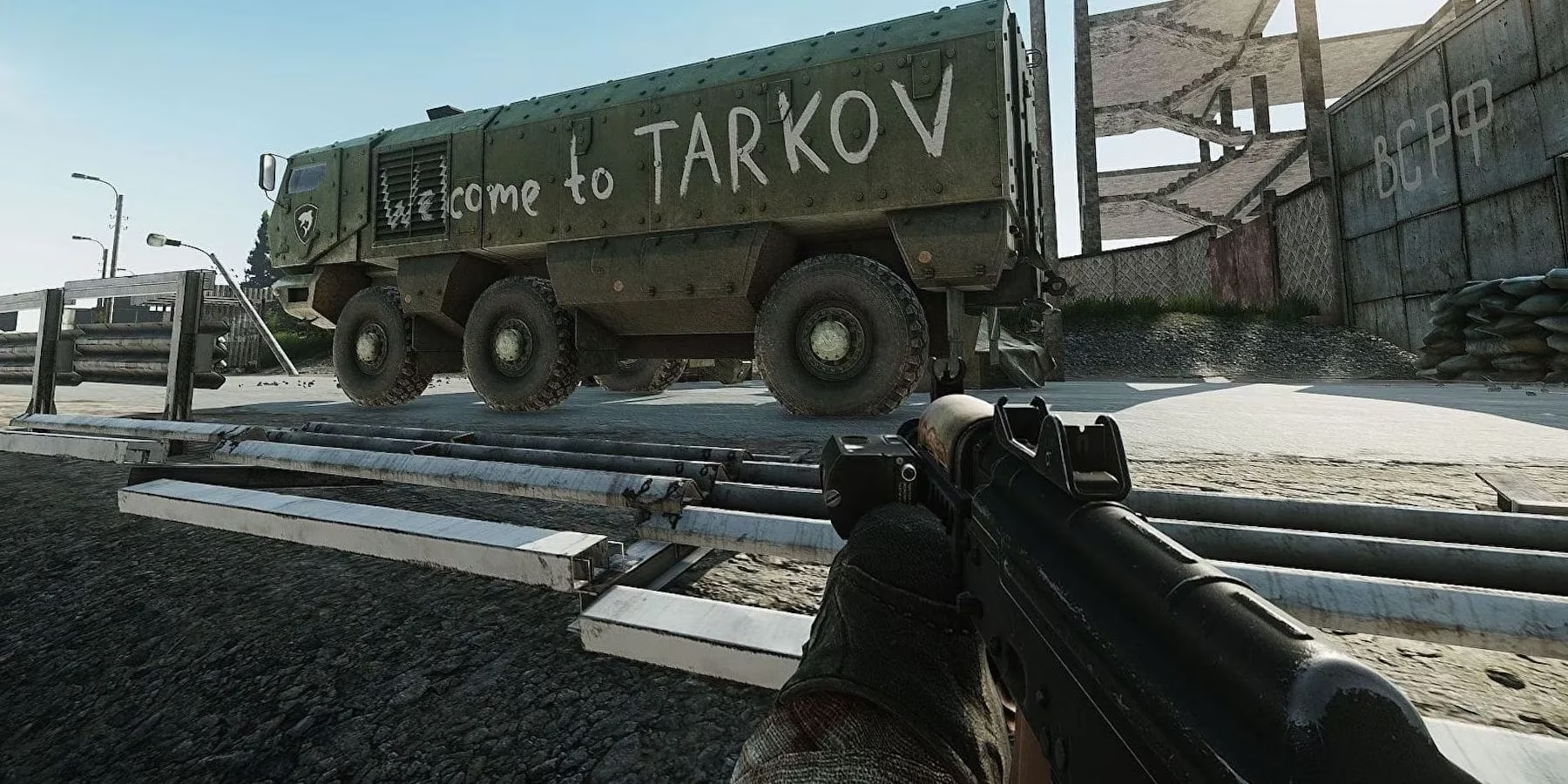
Over the course of 125 meticulously recorded raids, g0at's findings were alarming. He reported encountering "obvious" cheaters in approximately 60% of his matches. Importantly, his definition of "obvious" did not refer to the stereotypical, blatant hackers. He noted a near-total absence of speed hackers, invincible "stanky leg" players, or flying characters. Rage hackers using aggressive aimbots were also described as very rare. Instead, the overwhelming majority of cheaters he identified were utilizing subtler information advantages, primarily wallhacks and radar tools designed to reveal enemy positions, loot, and extracts. These players blend seamlessly into normal gameplay, making them virtually undetectable to the average player without similar tools.
The 60% figure, as staggering as it is, may only represent the tip of the iceberg. g0at himself emphasized that his confirmation method was imperfect. He could only confirm cheaters he physically encountered and who reciprocated his "wiggle." Silent cheaters, those who avoided interaction, or those using different types of cheats could have been present in every single one of his raids without his knowledge. This leads to the chilling possibility that the actual prevalence of cheating in Escape From Tarkov could be significantly higher than the already damning 60% statistic.
Following the viral spread of g0at's video, Battlestate Games issued a formal response. The studio's COO, Nikita Buyanov, reiterated the company's ongoing efforts to combat the problem. He stated that the development team bans thousands of accounts daily, collaborates closely with its third-party anti-cheat partner BattlEye to enhance detection capabilities, and is continuously working on internal anti-cheat solutions. However, for a player base already grappling with widespread frustration, these assurances have done little to quell the growing discontent. The core issue highlighted by the investigation is not necessarily a lack of action, but the perceived scale and stealth of the problem that undermines the fundamental fairness of the game.
The fallout from this investigation presents several critical challenges for Escape From Tarkov's future:
-
Rebuilding Trust: Restoring player faith after such a high-profile exposé is a monumental task. Players now question every death and every suspicious encounter.
-
The Subtlety of Modern Cheats: Combatting wallhacks and radar tools is notoriously difficult, as they don't alter game code directly but read memory data, making them harder to detect than blatant gameplay alterations.
-
Economic Impact: Escape From Tarkov's in-raid economy is core to its gameplay. Cheaters who can effortlessly find high-value loot disrupt this ecosystem for legitimate players.
As of 2026, Escape From Tarkov remains in early access on PC, a status that some players argue should allow for a more transparent and aggressive approach to systemic issues like cheating. The community's response has been a mix of anger, resignation, and calls for drastic action. For many, the investigation confirmed their deepest suspicions, transforming vague unease into hard, albeit unofficial, data. The path forward for Battlestate Games is fraught. While daily bans and partner collaborations are standard industry practice, the Escape From Tarkov community is now demanding more radical transparency and efficacy in anti-cheat measures to salvage the punishing, high-stakes experience that defines the game. The "Wiggle Video" has become a watershed moment, and how the developers respond will likely shape the game's trajectory for years to come. 🎯 🔍