
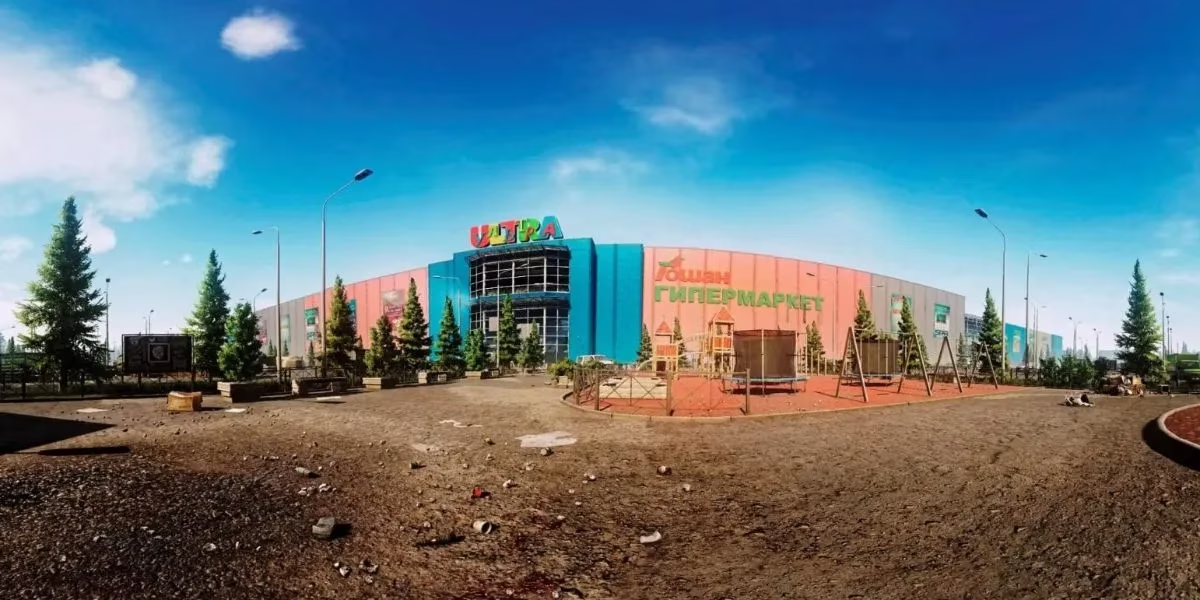
A veteran PMC operator named Alex had learned to treat Interchange as a high-stakes labyrinth rather than a simple shopping mall. The huge Ultra complex at the center of the map was packed with barter goods, electronics, weapon parts, and enough cash registers to make a solo raider wealthy. Yet every advantage in this place demanded a calculated approach, because the same loot attracted predators from every spawn point. Alex often reminded himself that the mall was an oval arena, with each PMC spawning along the outer rim and pushing toward the center. By the time the 2026 wipe had stabilized, his Interchange runs had become a story of patience, sound discipline, and map knowledge.
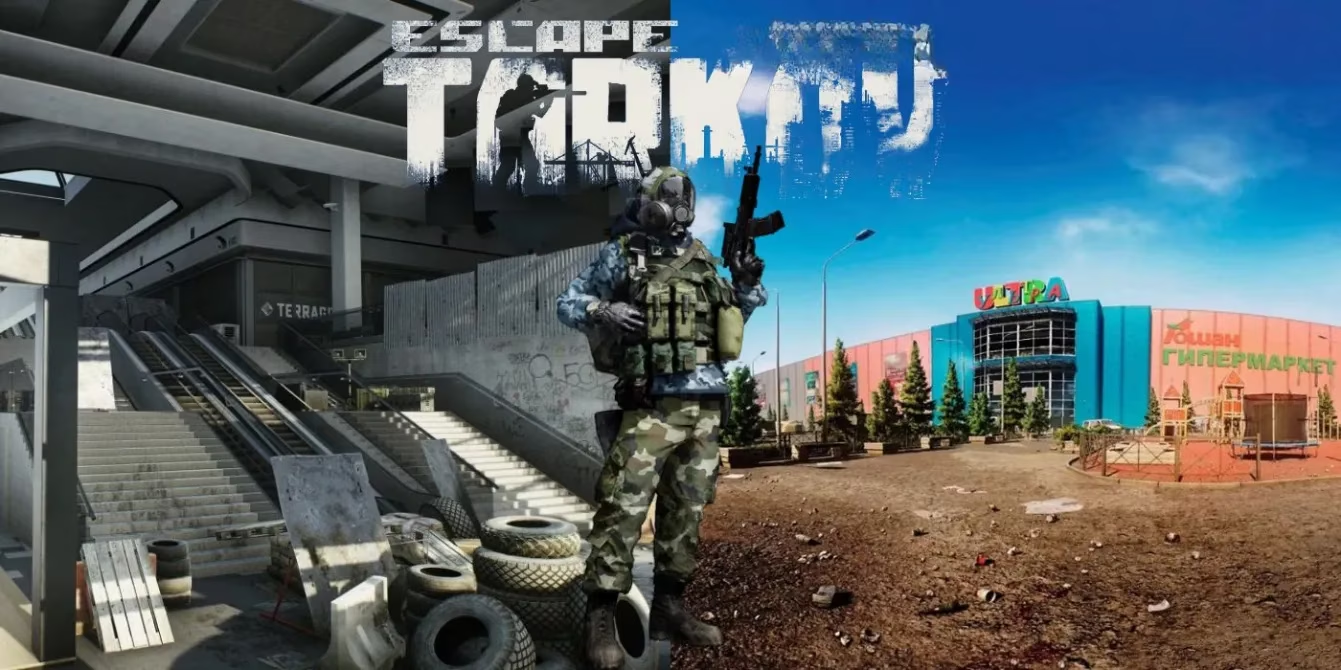
He knew the first real test was extraction. The Emercom extract sat in a corner of the map that was almost always watched. Players hiding behind bushes, trees, and abandoned vehicles waited for raiders who were tired, overburdened, or careless. A similar danger existed on the opposite side near the Railway extract. If Alex spawned near Emercom, he never charged straight down the open road toward OLI. Instead, he moved up the ramp and slipped through the back entrance of OLI, using the hardware store's tall shelving as cover. That route kept him away from the sightlines that dominated the road.
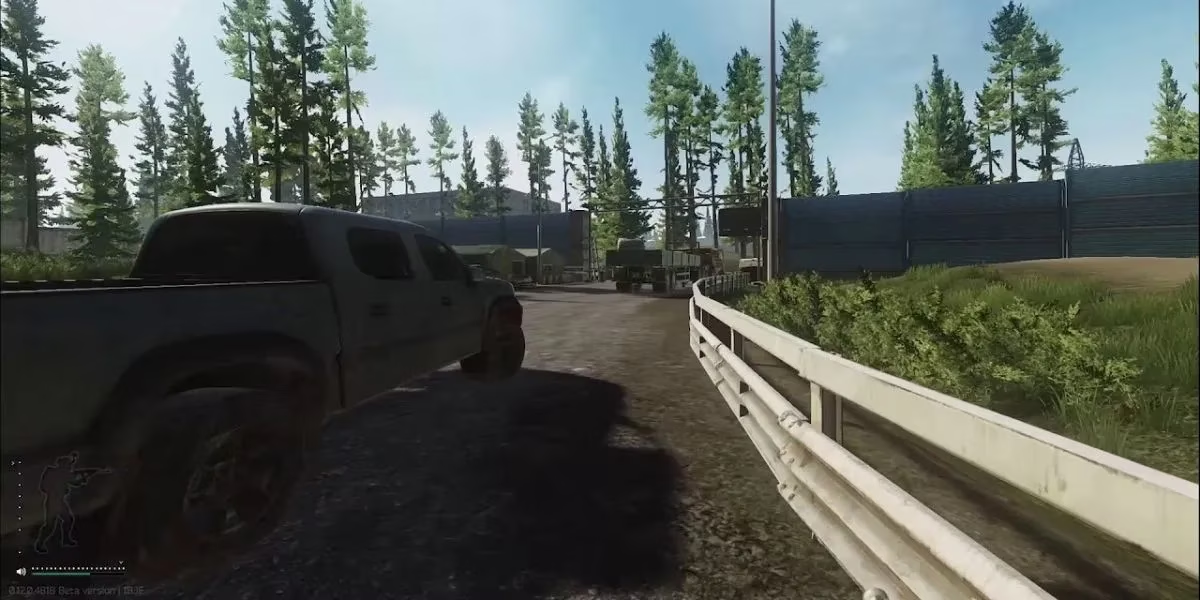
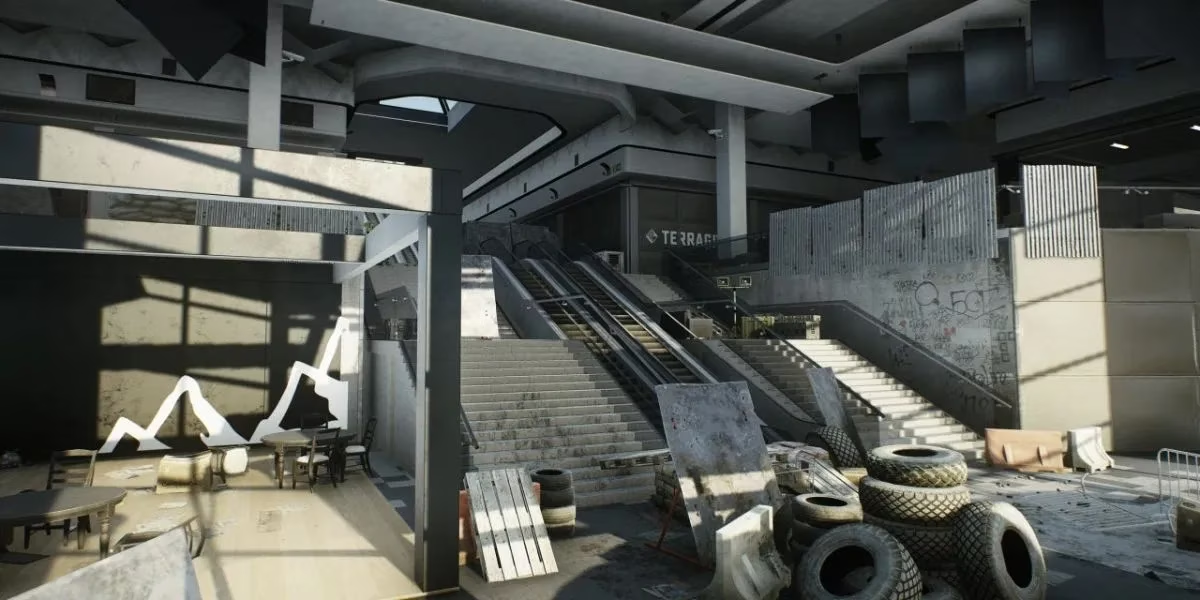
Once inside, Alex focused on the chokepoints. The front entrances of OLI, Idea, and Goshan were hot zones where Scavs and rival PMCs often held angles. The stairs leading up to Idea were particularly dangerous, with campers waiting on the landing. The worst position, however, was the lobby between Idea and tRend near the escalator. Every walkway in the mall seemed to converge there, creating a kill box with far too many sightlines. Alex repeated a simple rule: the fewer open angles around him, the better.
The early raid was always a decision between aggression and observation. Since every spawn was outside the central mall, Alex sometimes rushed into a store immediately, especially if his spawn was close to a less popular entrance. But when he spawned farther away, he found a protected spot and scanned for movement, listening for the first shots and footsteps. This slower approach let him map out where enemies were moving before he committed. Because the spawns formed a surrounding ring, there was always someone on either side, so blind sprinting was rarely smart.
As the raid progressed, Alex moved with the shadows. Illuminated areas near the center of the mall became death traps later in the game, because players could easily spot silhouettes from common sightlines. The dark 'Starbucks' area on top of Ultra became one of his favorite safe zones. It was dark enough to hide and drop loot items, but still gave him a view of nearby approaches. From the second floor glass rings near the escalators, he could look down and pick off unaware opponents. Alex understood the trade-off: if he could see an enemy's feet below, that enemy might only see his head above. He used those vertical angles early, but never stayed exposed for long.
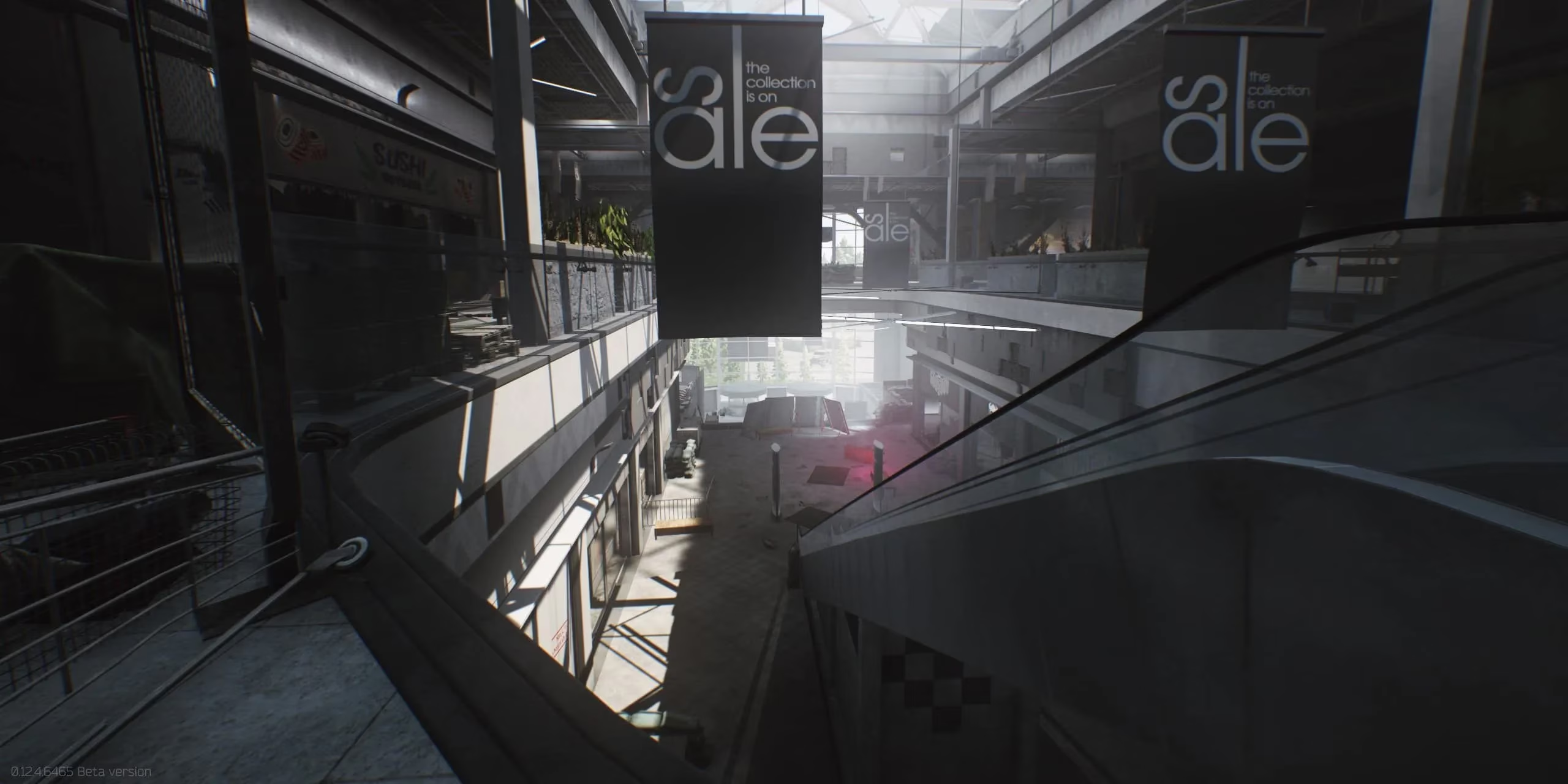
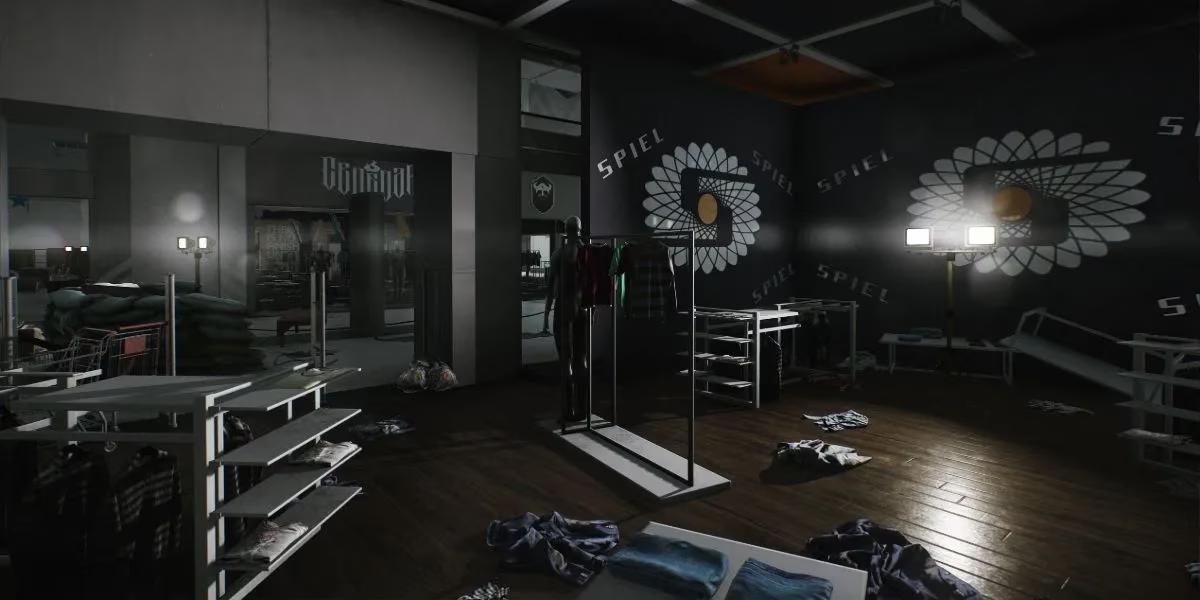
While moving through the upper stores, Alex relied on more than sight. Many second floor shops had distinct flooring, and only one shop in that section had wooden floors. When he heard the crisp wooden footstep sound, he immediately knew an opponent was inside that exact location. It was a small detail, but in Tarkov it often meant the difference between an ambush and a clean escape. The escalator near Idea had its own audio signature. It was extremely loud, and although raiders could sprint up the first half without being heard, the second half was a death sentence if anyone patrolled the upper floor.
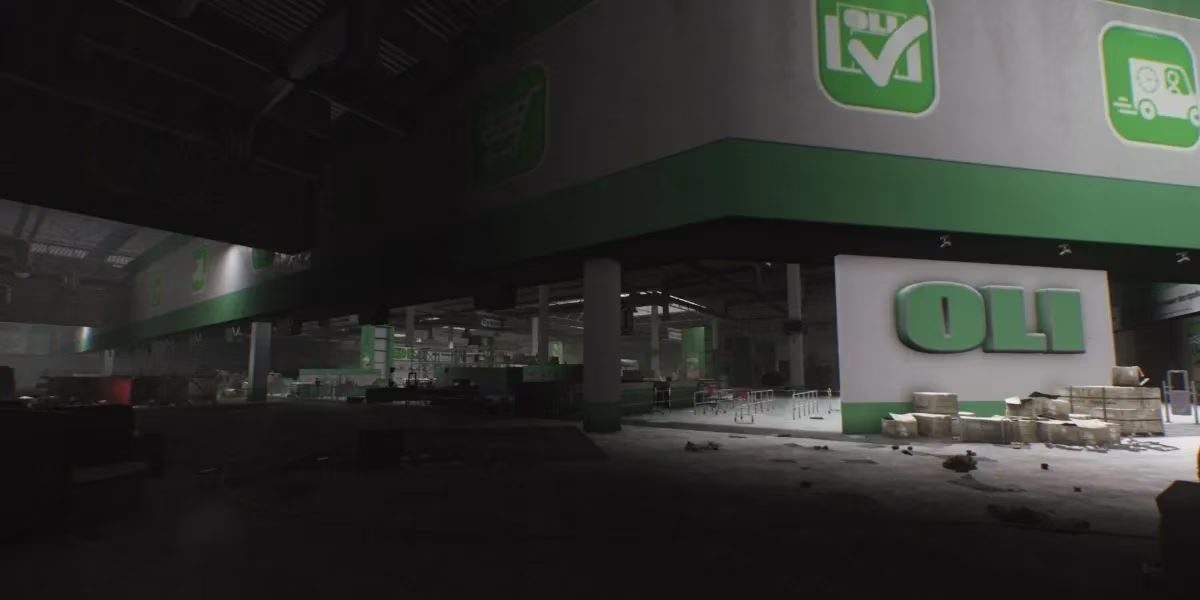
For loot, Alex prioritized OLI. The warehouse shelves were lined with spark plugs, car batteries, lightbulbs, and other barter materials. Spark plugs commonly appeared at the ends of each aisle, while batteries sat on lower shelves. The back wall offered more batteries and bulbs, and the front left offices had computers and loose tech items. He also hit the cash registers near the front of the store for roubles. OLI was strong because it could fill a backpack without forcing him into the most congested sightlines.
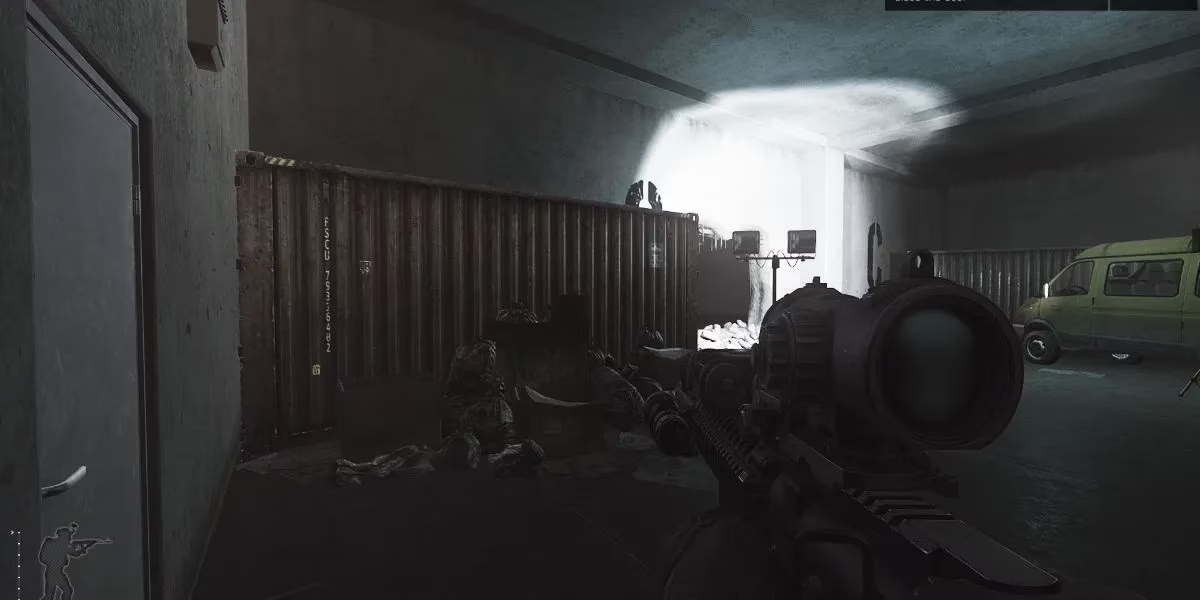
Goshan functioned as another dense loot point. The shelves there spawned car batteries and spark plugs in patterns similar to OLI, but the store also had more than thirty cash registers. Around the cargo containers near the saferoom area, Alex found a large number of ammo boxes and weapon boxes. These containers often held weapon parts or complete guns for players who wanted to expand their arsenal without buying from traders.
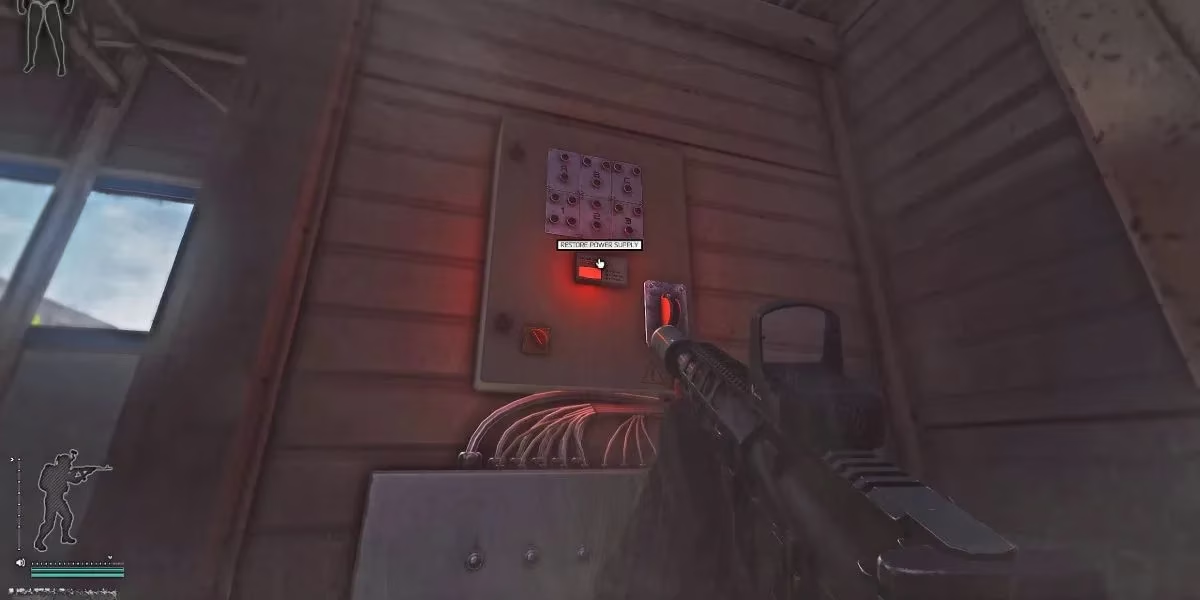
Power Station was a riskier stop. A PMC spawned in the Power Station every raid, so Alex expected company if he pushed that area from the Idea ramp. The small offices at the back held quality loot, while the attached warehouse contained the power switch at the far end from the office door. Outside the station, a few smaller buildings contained ammo, weapon boxes, and assorted barter items. Alex only went there when he was ready to fight or when the early raid had already cleared out.
By the end of a typical Interchange raid, Alex had moved through the mall in a deliberate loop: enter through a back route, avoid the worst chokepoints, use darkness and vertical sound to control information, then extract with a bag full of batteries, spark plugs, cash, and weapon parts. The map changed with each wipe, but the core lesson remained: Interchange rewards operators who treat it as a system of angles, audio cues, and high-value rooms rather than a place to sprint and hope.