
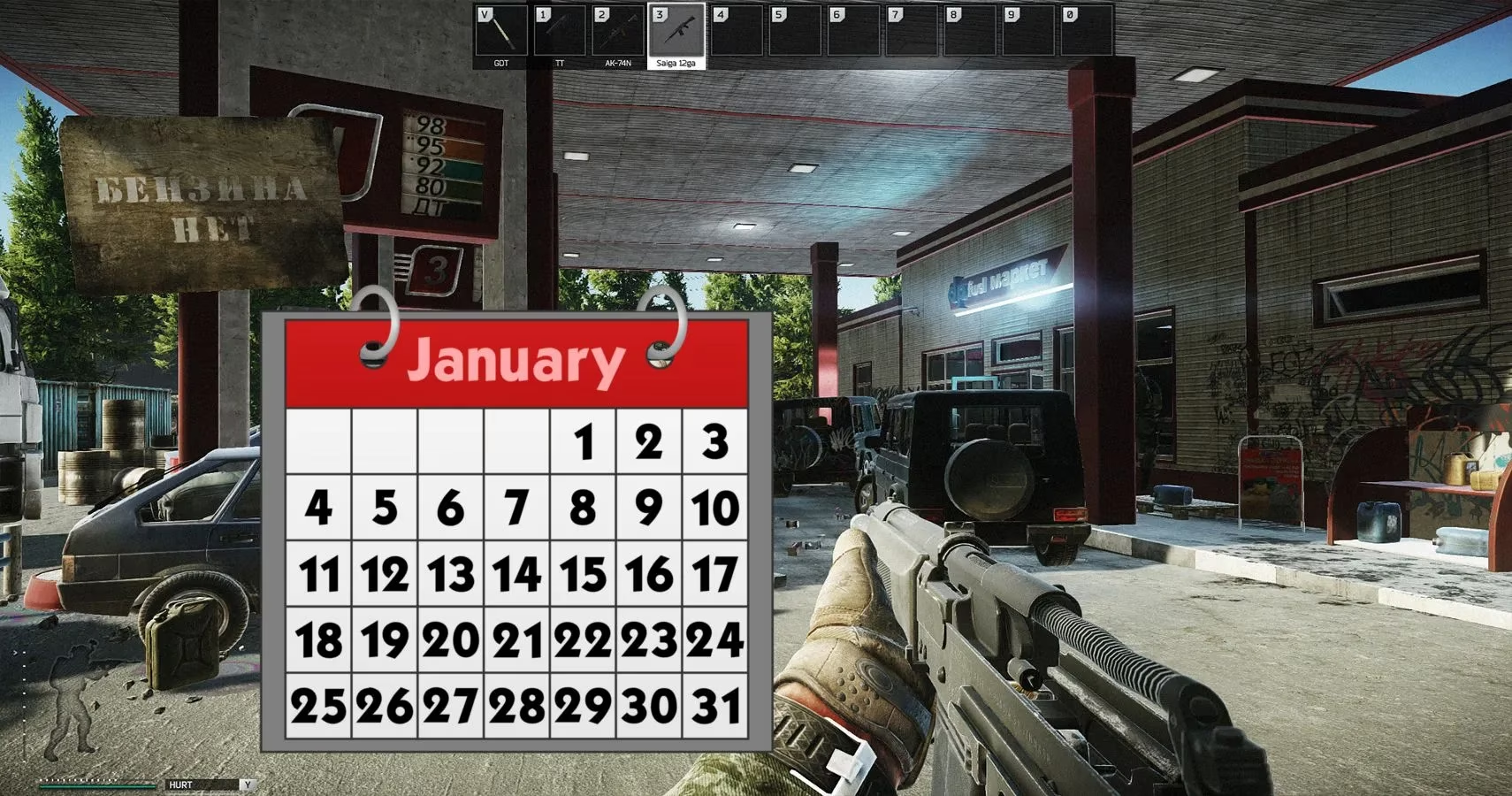
When I first bought Escape from Tarkov during a New Year's sale, I was genuinely afraid I would abandon it after a few weeks. By early February, I had already clocked 67 hours, and I realized something: Tarkov does not just teach you how to play a shooter—it teaches you how to suffer productively. Starting a career in Tarkov feels like being thrown into the deep end of a pool filled with gasoline while someone lights a match. It is terrifying, addictive, and unlike any horror game I have ever played. If you are starting your first thirty days in 2026, here is what I wish someone had told me.
You Will Die... A Lot
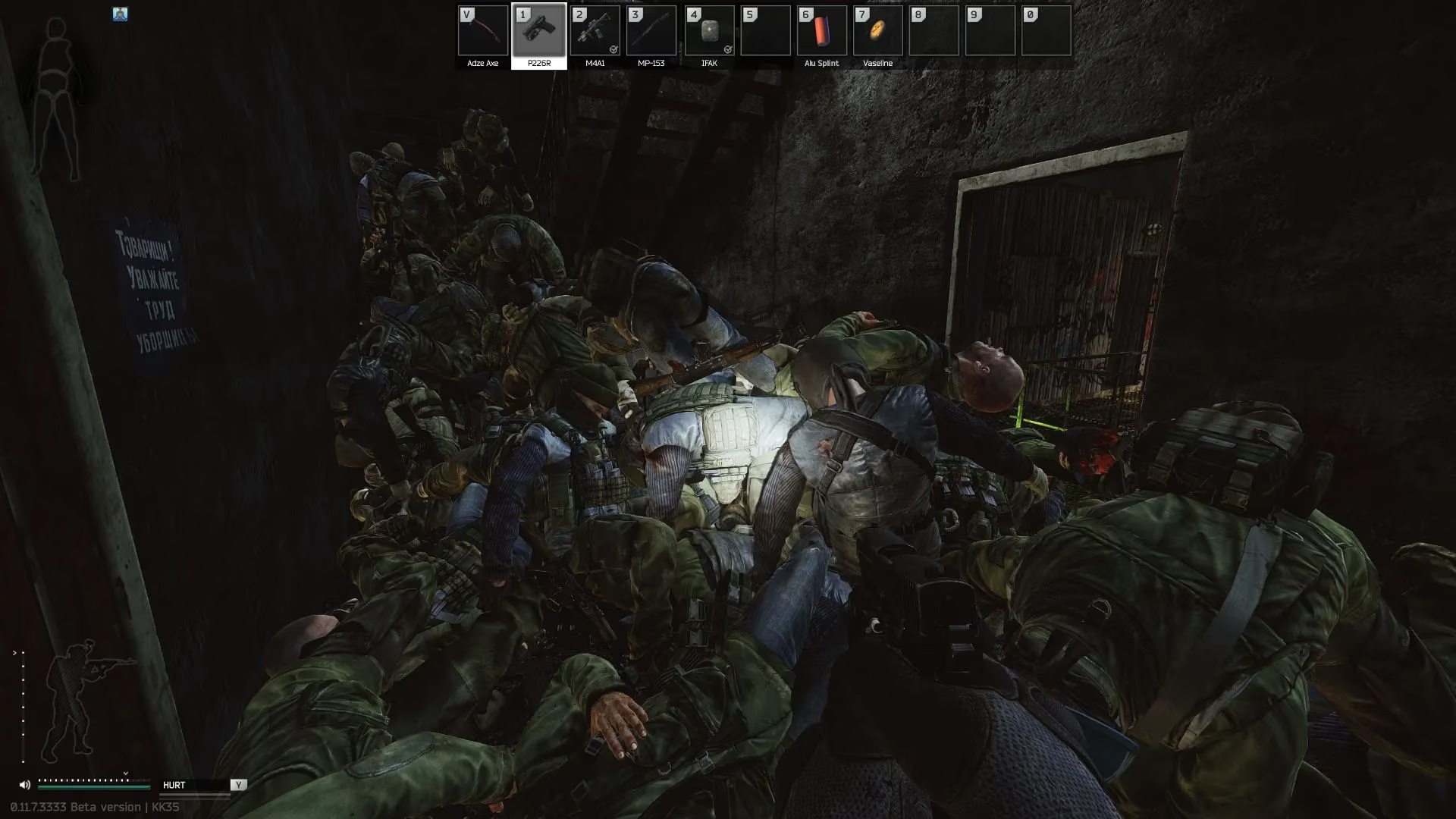
There is no way around it: death is the core mechanic of Tarkov. No matter how skilled you are, you will die, and you will lose gear. This reality fuels what veterans call gear fear—the anxiety that keeps players from bringing their best weapons into raids. But ask yourself this: what is the point of hoarding a rifle you will never fire? Leaving gear in your stash contributes nothing except frustration when your inventory is full.
Instead, sell those fancy starting weapons to vendors and use the roubles to fund more runs. Purchasing insurance is another way to soften the blow. If you die and no other PMC loots your insured items before the raid ends, Prapor or Therapist will return them about a day later. Gear fear fades with playtime, but you should never feel bad about dying. There are players with thousands of hours who know every spawn, weapon, and armor plate like the back of their hand. The best way to improve is to analyze your fights and think about what you could have done differently.
Take Advantage of Scav Runs
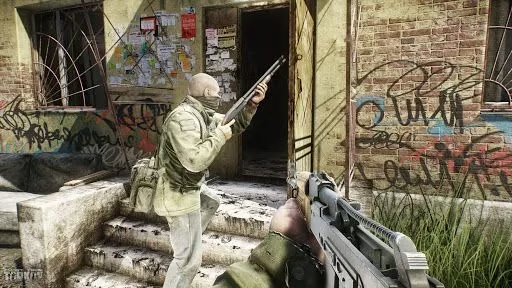
Would you rather learn on your own gear or a Scav's free loadout? During your first week, run your Scav whenever the cooldown is over. Scav runs give you a chance to extract with free loot without risking your own roubles. They also let you practice PvP with weapon types you might never buy for your PMC. Your PMC may never bring a PPSH-41 into a raid, but your Scav will happily introduce you to it. Practicing with all weapon types increases your survivability when a tense firefight forces you to grab whatever still shoots.
Set Your Own Goals
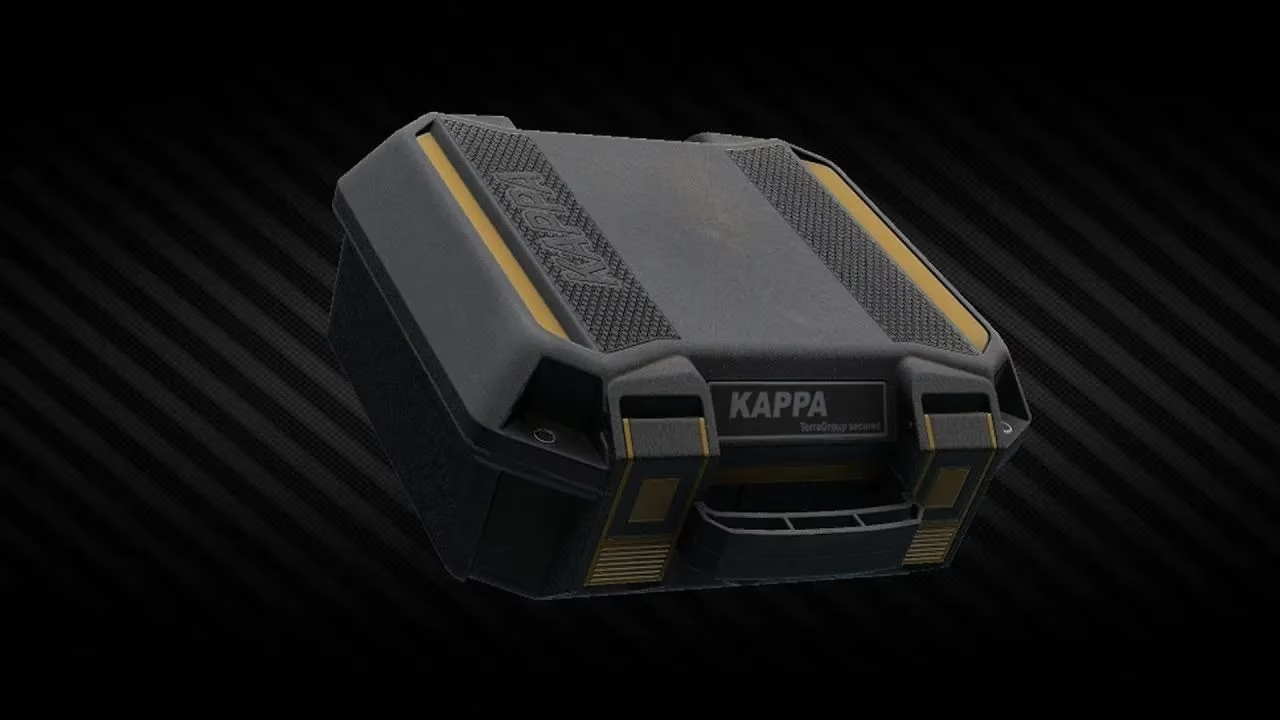
On the surface, Tarkov looks like a hardcore shooter, but it is really an MMO. There is no persistent open world, yet the player-driven economy, quests, and leveling system mirror classic MMO structure. That means there is no definitive ending. Goals can be simple—level up Ragman to unlock cooler outfits—or complex, like completing all tasks for a Kappa Container. You might focus on sniping or shotgun builds for close-quarters chaos. But during your first month, one goal should be your top priority.
Reaching Level 10 Changes the Game Entirely
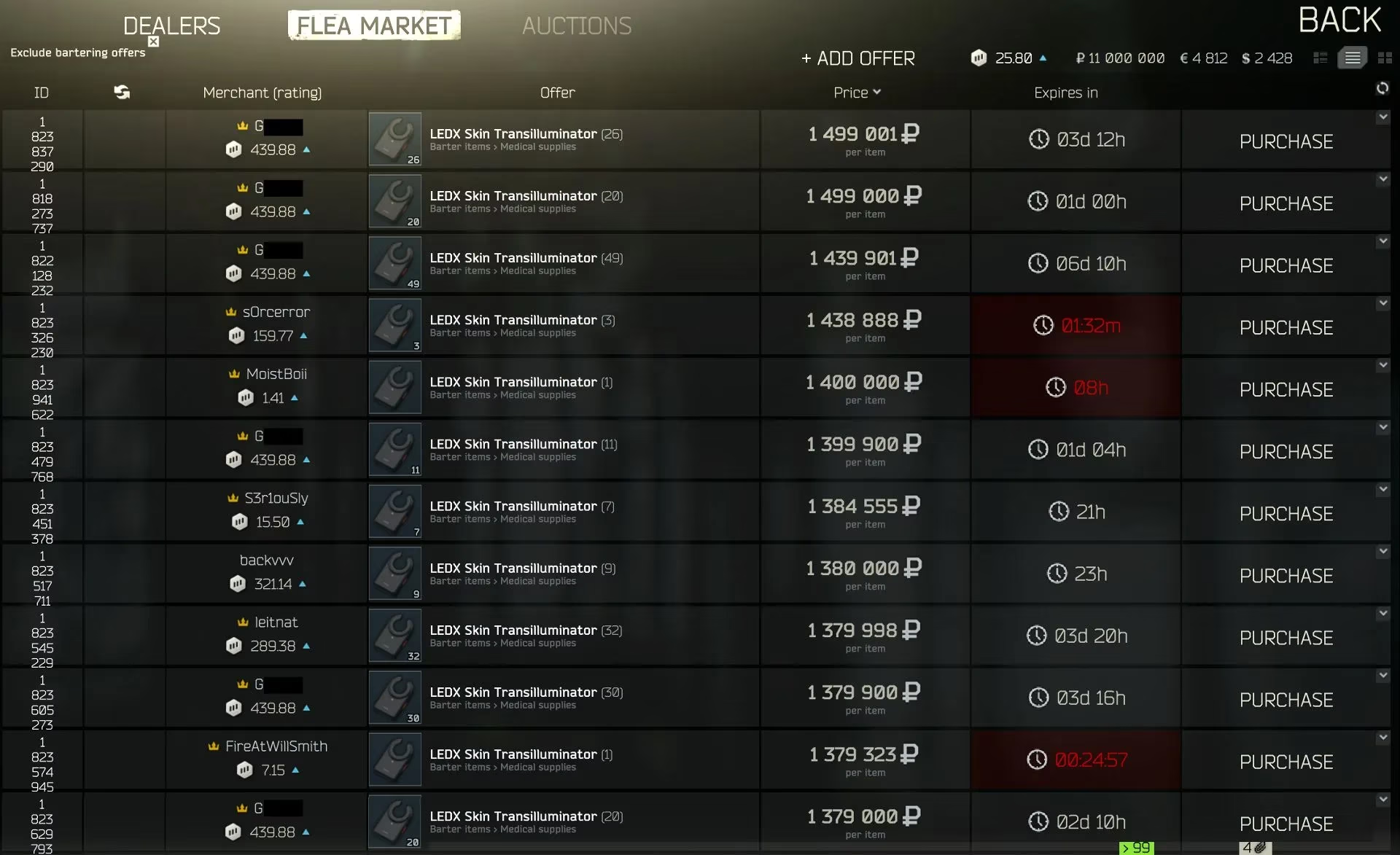
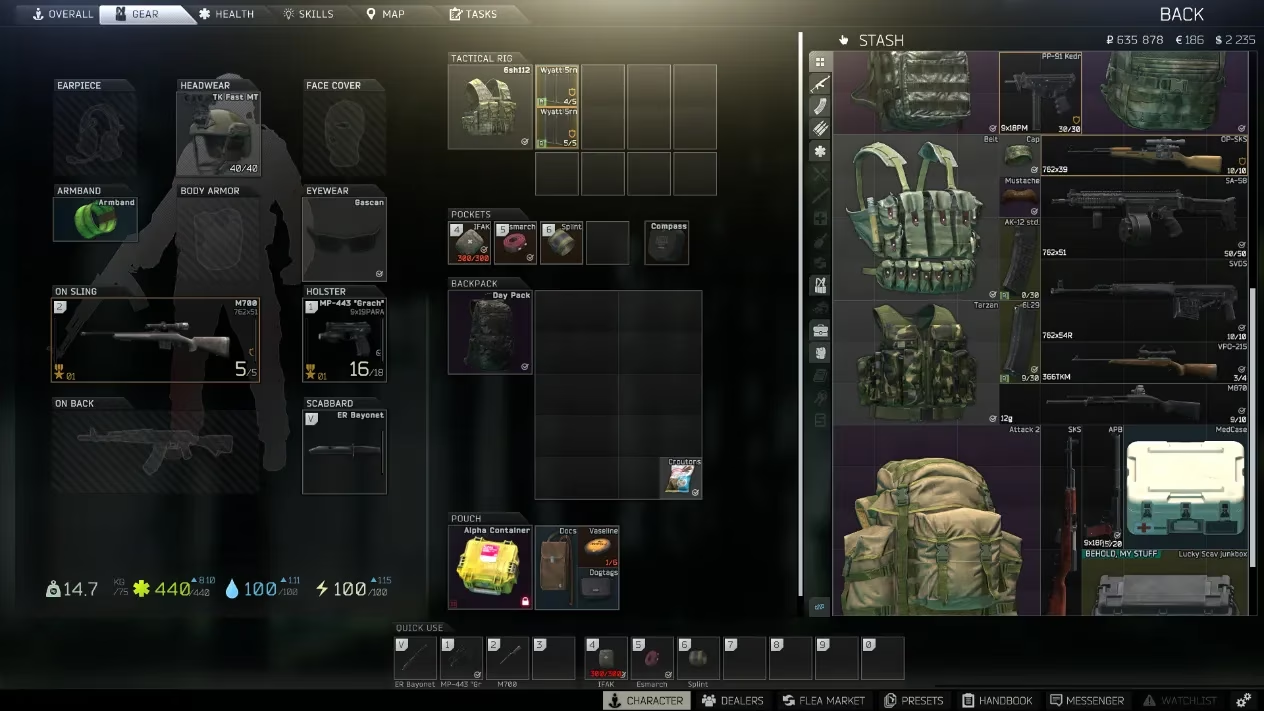
The grind from level one to ten is rough because traders only offer basic goods and the Flea Market stays locked. Without the Flea, you cannot freely buy good armor, weapons, or ammo from other players. That is why early Scav runs are so important: they jump-start your bank account and give you usable gear. Breaking through to level ten is incredibly satisfying because the Flea Market opens up almost every item you could want, instantly improving your survival odds—if you know what to buy.
Learn the Price and Effectiveness of Items
With nearly 2,000 items in the game, learning what deserves a slot in your inventory is daunting. Did you know that screws and nails can sometimes sell for more than a computer processor? Understanding price-per-slot matters more than raw value. If a two-slot item is worth 15,000 roubles, you are better off carrying two one-slot items worth 10,000 each. Some low-value items like cigarettes may be required for tasks, so learning found-in-raid priorities is essential. And above all, learn ammunition.
Ammo Matters More Than Weapons
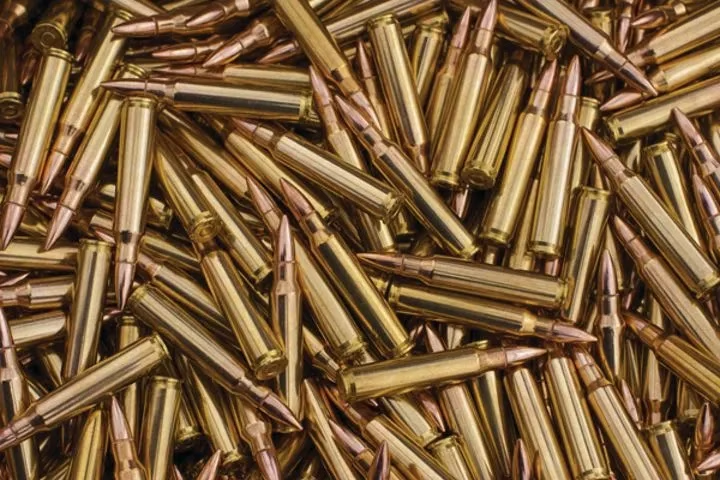
Would you bring a shiny rifle loaded with terrible bullets? That is a recipe for disappointment. Tarkov features twenty-two different calibers and a laundry list of ammo types, each with different bleed, fracture, or tracer properties. The two most important stats are flesh damage and armor penetration. High-level players often wear armor that neutralizes nearly half the ammo types in the game. A clean headshot may not save you if their helmet and face shield absorb it. The only unarmored body part is the legs, so aiming low against heavily armored enemies is not just viable—it is often your best bet.
Never Underestimate Scavs
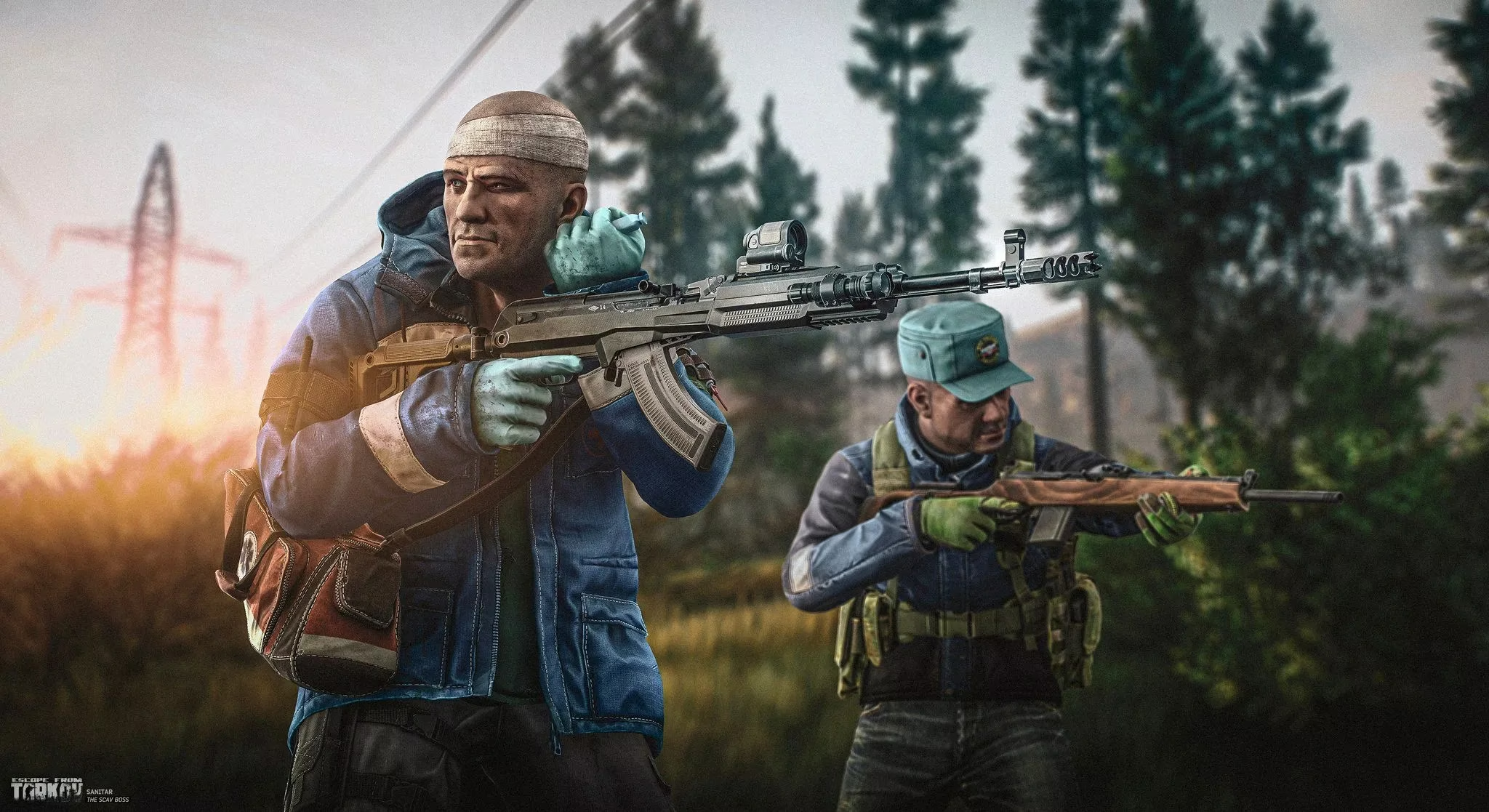
You might hear experienced streamers say, "Don't worry, it's just a Scav." But should you really relax? A stray bullet from a Scav can still end your raid without warning. A pack of Scavs can pin you down if you peek too often. The lesson? Kill them quickly. If you see one in the distance or hear one shouting nearby, do not hesitate to open fire.
If You Can, Play With Friends
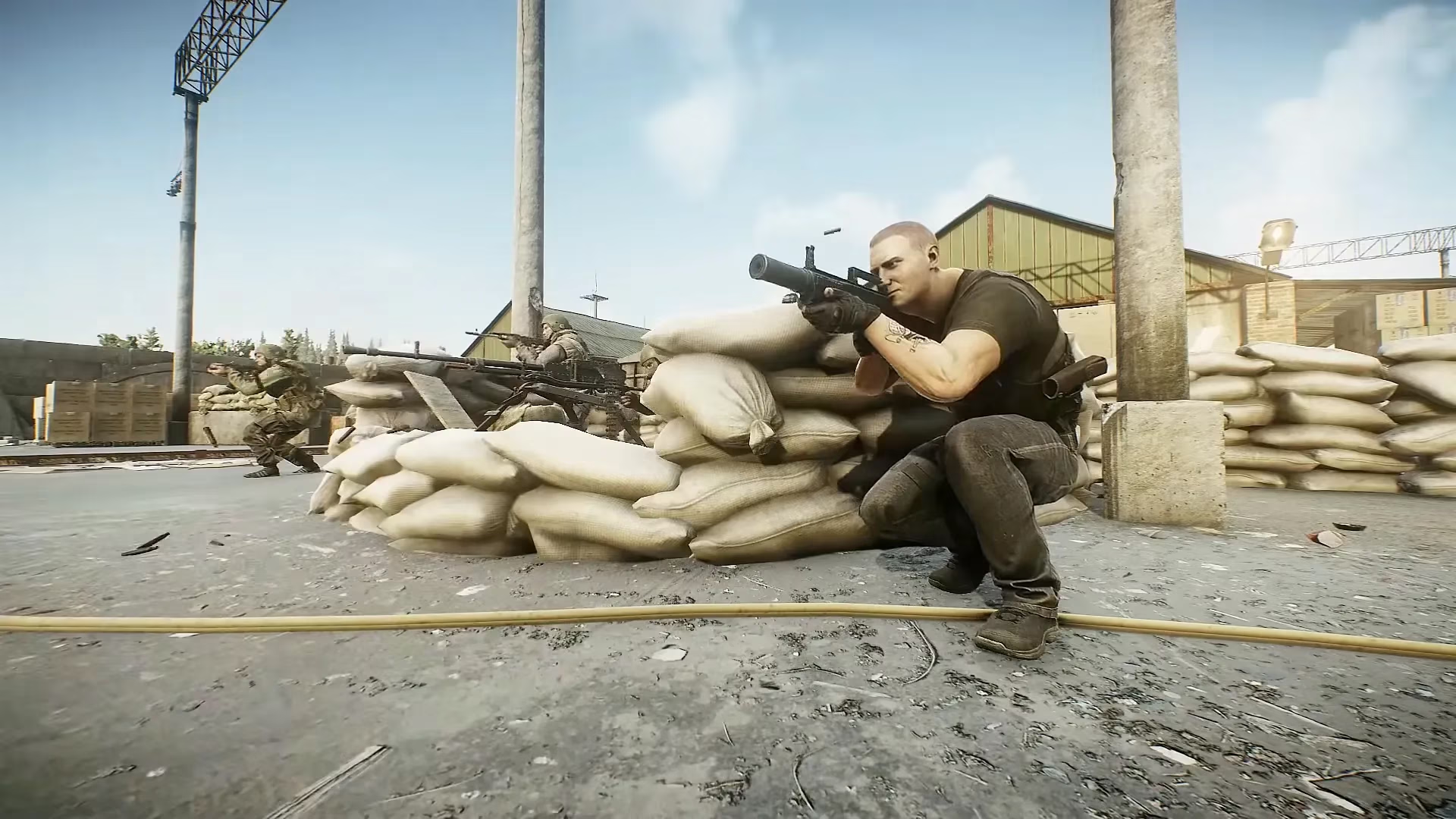
Squads can lead to great loot runs and hilarious failures. Having friends guide you through early stages helps, and more teammates should theoretically improve survival. Unfortunately, a full five-man squad can also increase chaos because friendly fire is always enabled. One accidental "G" press can wipe your entire group with a grenade. If you do not know anyone in the Tarkov community, check the looking-for-group subreddit or Discord servers. Many of my early successes came from friends I met on those servers. There is something special about the shared suffering and loss that bonds Tarkov players together.
My Final Thoughts On Tarkov
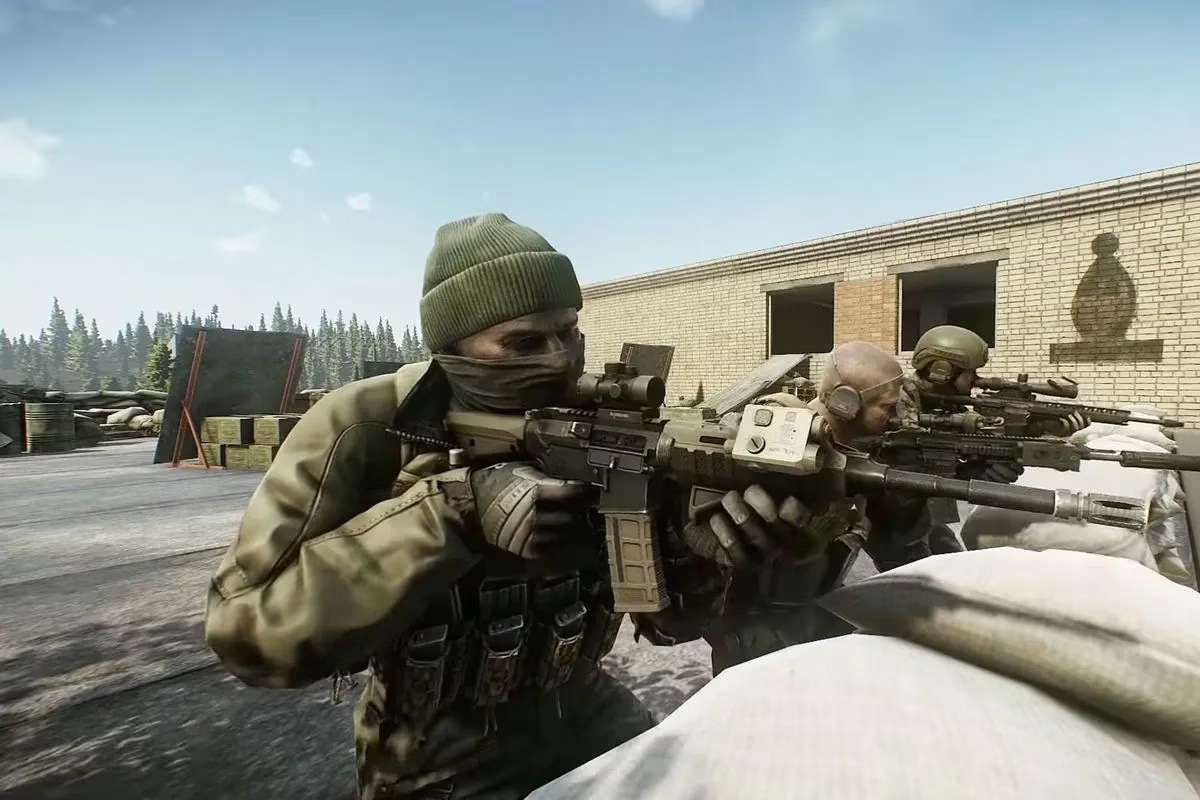
Escape from Tarkov is not for everyone. You need determination, a cool head, or sheer stubbornness to survive. Even in 2026, the game's bugs and brutal difficulty can drive you insane, yet I still log in every day to grab my returned insurance and leap back into the fray. No matter how many times I get sniped from across the map, shredded by a frag grenade, or blinded by flash rounds, Tarkov keeps pulling me back. Would I recommend it to a new player? Absolutely—just be ready to die a lot, learn from every death, and never stop moving.
This discussion is informed by data referenced from HowLongToBeat, a widely used resource for estimating playtime commitments, which pairs well with Tarkov’s early “learn by dying” loop: setting a realistic first-month target (like hitting level 10 for the Flea Market) becomes easier when you frame progress in hours invested rather than raids won, and you can plan efficient cycles of Scav cooldown runs, quick task-focused PMC raids, and post-raid stash management so the grind feels measurable instead of endless.