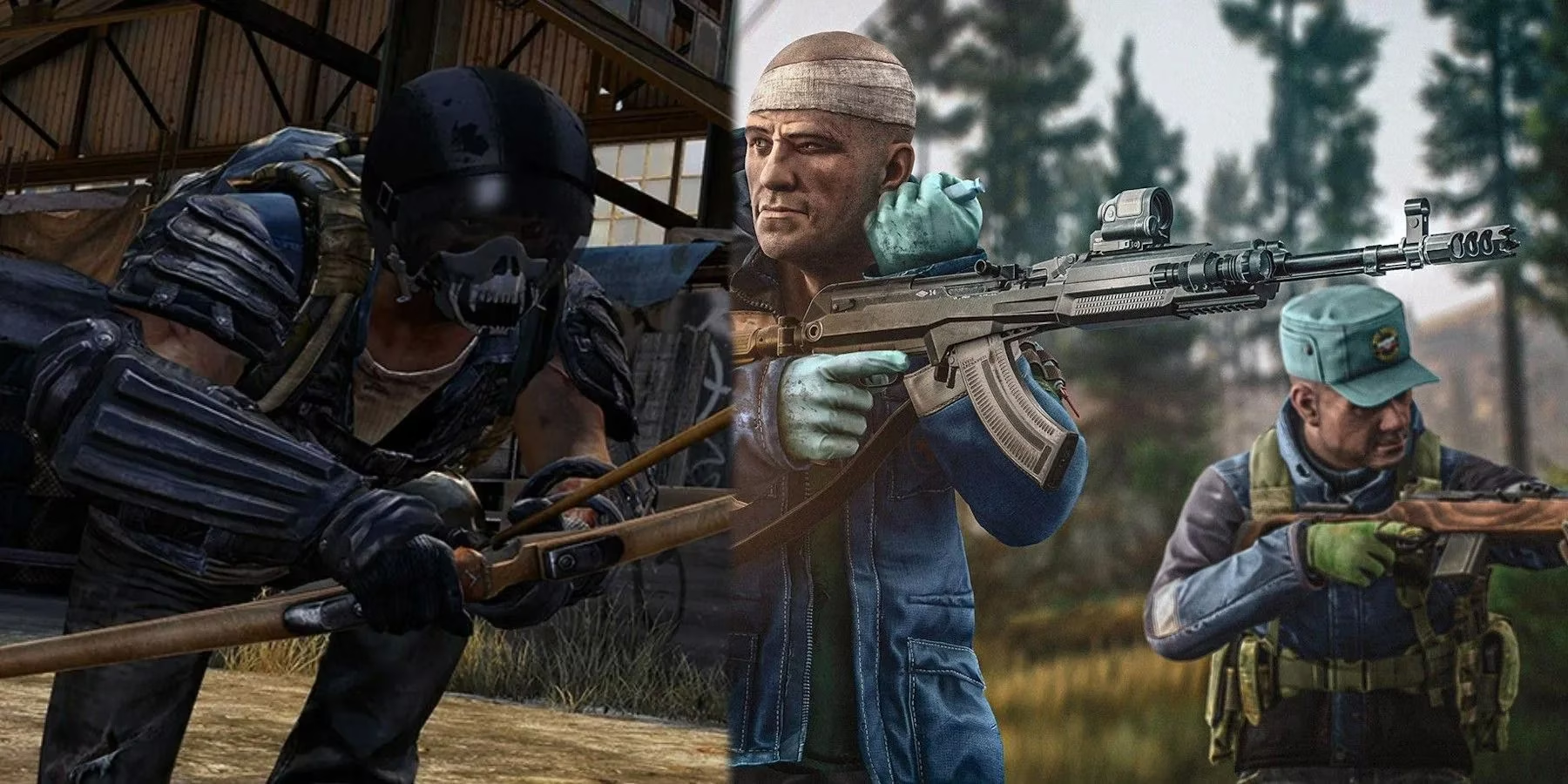
I still remember the strange, almost jarring calm of the original Factions mode back on the PS3. After spending a dozen hours with Joel and Ellie, my nerves shredded into confetti by every clicker’s screech and hunter’s ambush, stepping into multiplayer felt like walking out of a hurricane into a light drizzle. It was fun, undeniably, a pleasant coda to a masterpiece. But in 2026, as Naughty Dog prepares to finally unveil their standalone multiplayer opus, that memory tastes faintly of stale bread. The whispers from insiders and the rare official snippets suggest something far grander, a narrative-driven beast meant to capture the terror of that hurricane. To truly succeed, to make me feel the cold stone of dread in my stomach again, the studio needs to look beyond its own backyard and into the desolate, heartless landscape of Escape From Tarkov.
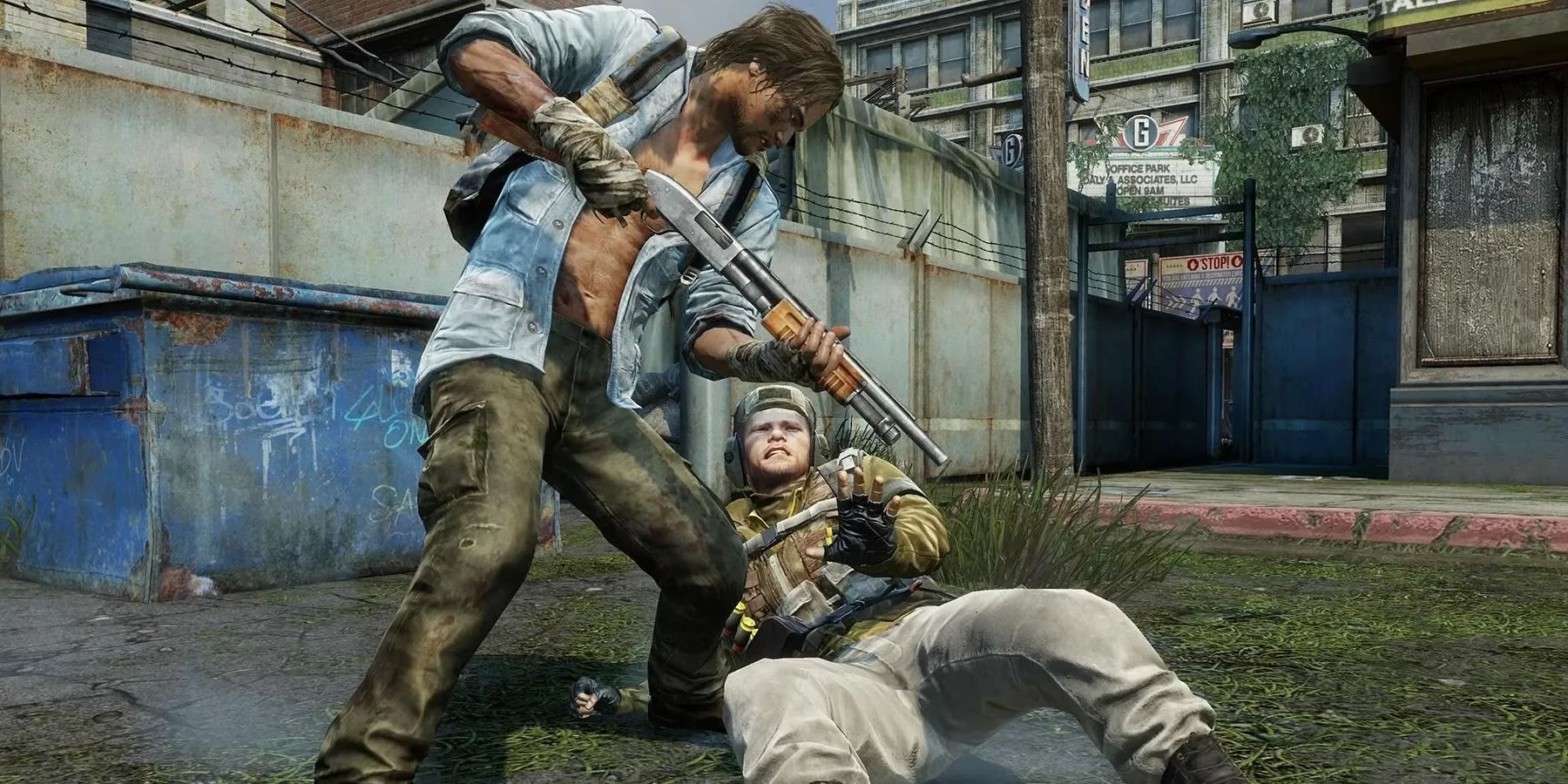
The core of The Last of Us isn’t just its beautiful, gut-wrenching story. It’s the economic brutality of its world. Every bullet is a family heirloom, a promise of survival you’re terrified to break. A single pair of scissors is more precious than gold. In the original Factions, this was a gentle suggestion; in the next game, it must be scripture. Escape From Tarkov understands this spiritual scarcity like no other. Its loot system isn’t about seeing a purple beam of light and sprinting to it; it’s a desperate, humiliating ritual. I’ve spent hundreds of hours in Tarkov, and the most vivid sensation isn’t the gunplay, but the cold sweat of finding a crucial screw-pack in a filing cabinet while hearing Russian voices in the next room. You are a rat, desperately gnawing on a wire for a spark of hope. This is the spectrum of attachment the new Factions needs. Making each piece of scrap feel not like a numeral in a crafting menu, but like a talisman whose loss you will genuinely mourn. The risk of losing my carefully curated stash of grimy rags on a dead player’s body would weave a personal story of loss far more potent than any scripted cutscene.
The combat, too, must be re-forged in this unforgiving fire. I don't want the balletic, arcade dance of pop-and-shoot. I want the nauseating, paralyzing tension of a real ambush, where firefights are strategic stalemates broken by a single, catastrophic mistake. Currently, games like Tarkov replicate a truth most shooters ignore: the violence is quick, confusing, and profoundly final. A firefight isn't a health-bar negotiation; it’s a sculptor with a sledgehammer, and the first blow is usually decisive. Adopting a stripped-back HUD and more punishing damage—where a shot leg forces a limp until you find a specific splint—would transform a multiplayer match from a contest into a shared, traumatic anecdote. The space between each terrifying, 30-second gunfight is where the real story unfolds, and the silence is louder than the gunfire.
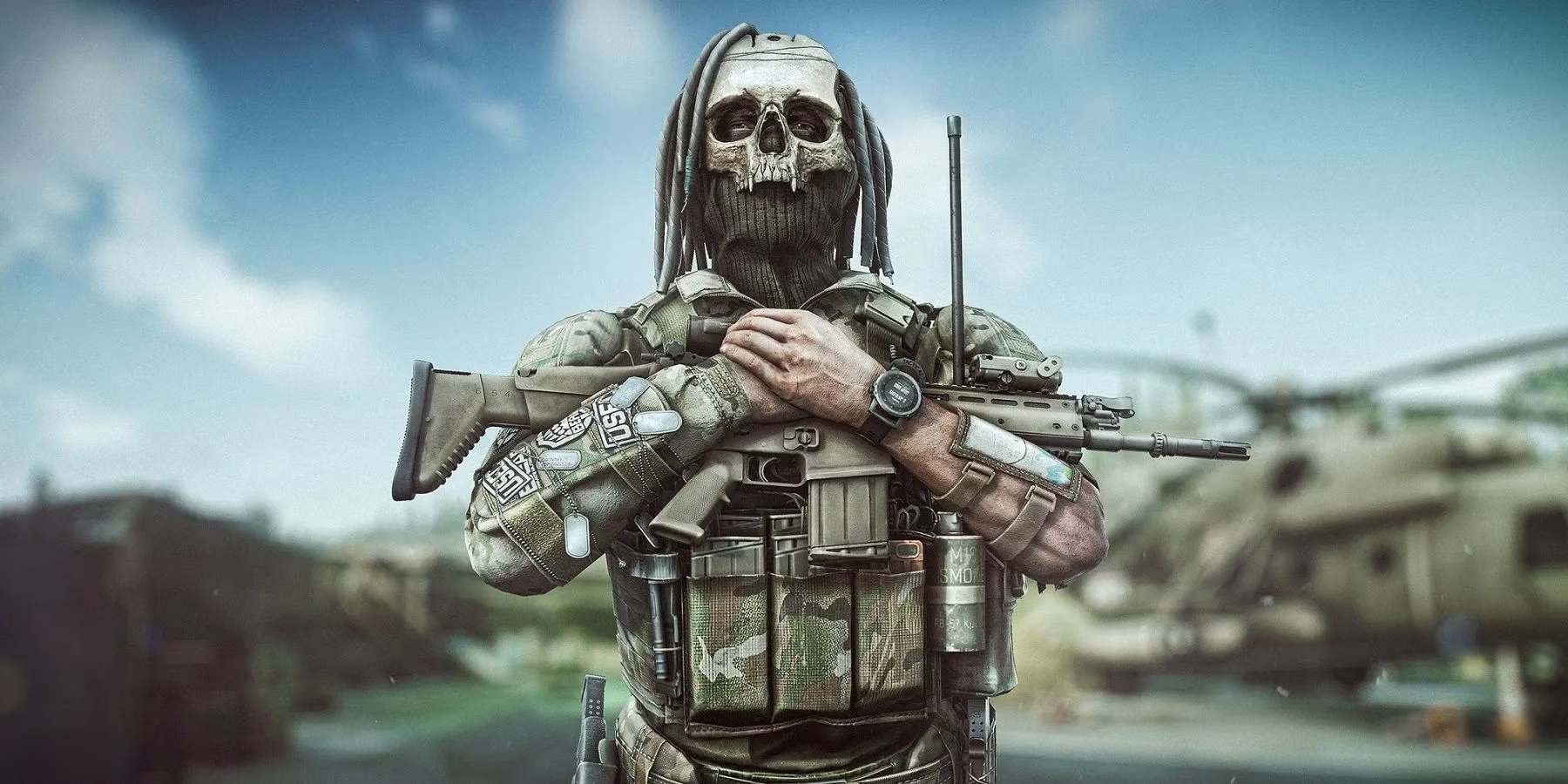
However, The Last of Us possesses one thematic trump card that Tarkov’s mercenaries lack: the Infected. Naughty Dog can use them to engineer a PvE layer that is far more elegant and terrifying than hunger and thirst meters. Picture this: you and your squad are stalking another group through a flooded Seattle mall, the silence so deep you can hear the drip of water on your rain-slicked jacket. Then, a guttural, wet clicking echoes from the dark. The firefight becomes a three-body problem. Do you engage the enemy players first, risking the noise drawing a bloater? Do you sneak past the clickers, only to be pushed into them by a rival’s clever gunfire? The Infected could function as a systemic, roaming danger—a biological minefield that a smart team can weaponize. In Tarkov, the background threat is slow biological decay; in Factions, it could be the active, breathing nightmare of a world that refuses to stop trying to eat you. This transforms the map from a simple arena into a living, hostile ecosystem.
The ultimate prize, the emotional hook of a successful extraction, needs to be redesigned too. In Tarkov, extracting with a quest item feels like exhaling after being underwater for five minutes. The relief is a physical, shivering thing. The new Factions could bottle this by making the safe community hub a tangible place you can see from the walls. You aren't just queuing for a match; you are venturing out from Jackson County to find medicine for the stables, a new guitar string for Ellie, or a dog-eared comic book for a kid. Returning not only with loot but with a piece of your community’s fragile soul would make failure a sickening punch to the gut. You lost the bolt-action rifle, sure, but you also failed the people who trusted you. That is the poignant, story-driven edge that would make this more than just a third-person Tarkov clone. It’s been years since Factions, and I’m ready to be shattered by its return, not just entertained.